The need for change
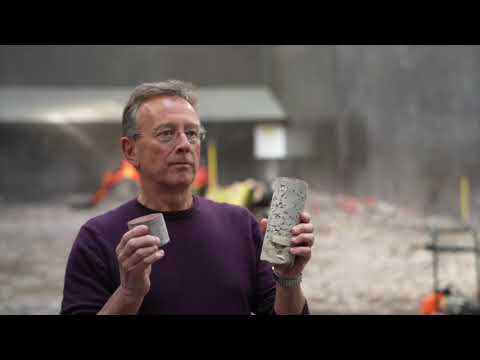
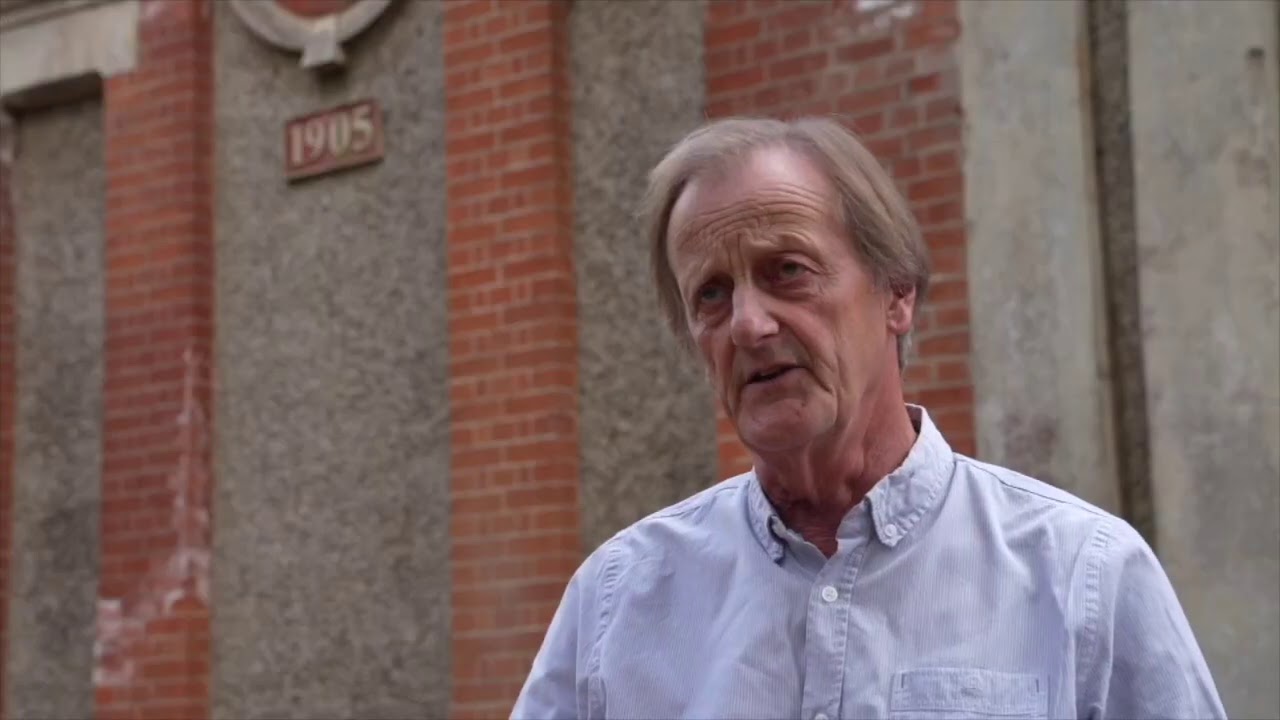
In the first video club chairman Sir Andrew Hamilton explains the reasons that led us to embark on this project.

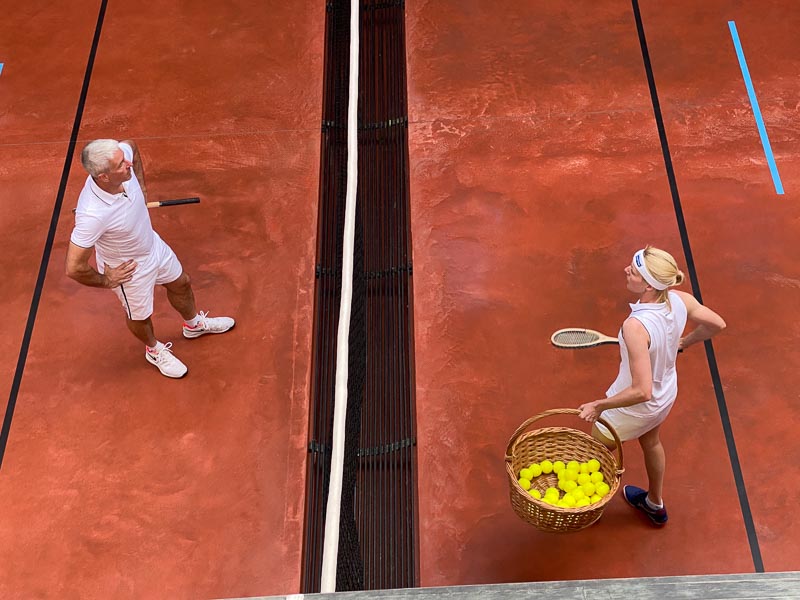
In 2020 we restored our 115-year-old Joseph Bickley floor, in what we believe was the first project of its kind.
Our court was built in 1905 by renowned tennis court builder Joseph Bickley for wealthy American businessman Charles Tuller Garland as part of Moreton Hall, which was completed 4 years later. Bickley's highly regarded tennis court floor and wall finishes provided a fast and true playing surface.
In 2020 our floor was 115 years old and beginning to show signs of wear and the occasional dodgy bounce. It was becoming increasingly difficult to maintain the floor by patching the cracks, and if left untreated the floor could potentially have deteriorated further and posed a health and safety risk to players.
It was therefore necessary to look for a longer term fix for the problem and to restore the floor to its original condition.
Our team at Moreton Morrell started by looking at what makes a Bickley floor the ideal playing surface for tennis, by studying the characteristics of our floor and other tennis court floors. We then tested a number of concrete mixes and polishes to identify the most suitable modern equivalent. We believe that we have identified a modern mix and polish that replicates both the playing characteristics of the original floor and also matches its colour, so that the restoration is sympathetic to our historic building and lays a foundation for the next century of tennis.
The floor restoration cost the club c. £100,000, which we met partly from club funds and national and local grants. We asked members to help and, over an extended period due to Covid-19, have been running events to raise funds. We have also received donations from the wider tennis community and from the public.
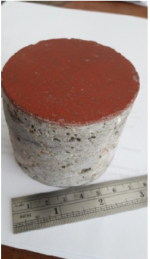
Before embarking on the floor restoration works, the club, led by Vice Chairman Bruce Paxton, carried out extensive investigations to understand the composition of the floor and what makes the Bickley court the ideal tennis playing surface.
We took core samples which allowed some Bickley myths to be laid to rest. The floor is solid and not of a Roman hypocaust construction. Analysis of the court surface also revealed that the colour is provided by ferrous oxide and not by ox blood.
With the assistance of member and Materials Engineering Professor John Murphy, Bruce and the team were able to establish that the court is very smooth. In fact it is a lot smoother than a modern gymnasium floor, which would offer more "grab" to both ball and shoes.
It also seems that the concrete is quite soft (for concrete), with a consistency that in many situations might be considered to be bad concrete.
Armed with the results of our analysis, we had a number of concrete slabs laid on the lawn to see if modern concrete could match the characteristics of the Bickley floor.
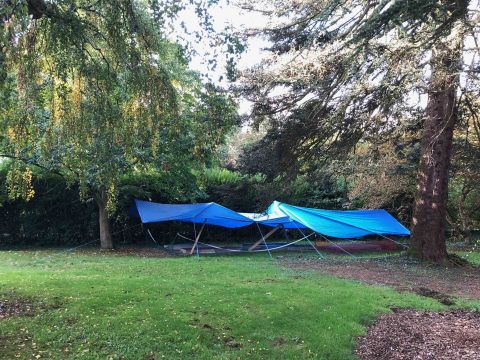
The slabs were laid from different concrete mixes and were finished to different levels of polish, with different colourants also explored.
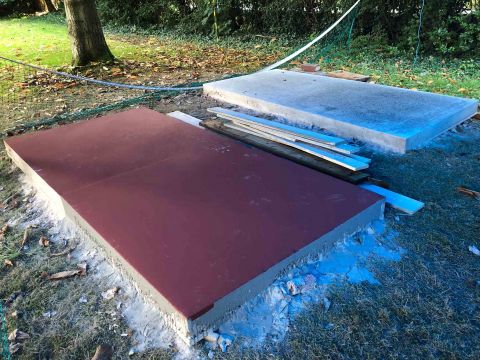
We analysed the surfaces of the slabs to find the best match. Our Pro Tom slid his tennis-shod foot over the floor to find the one with the right feel.
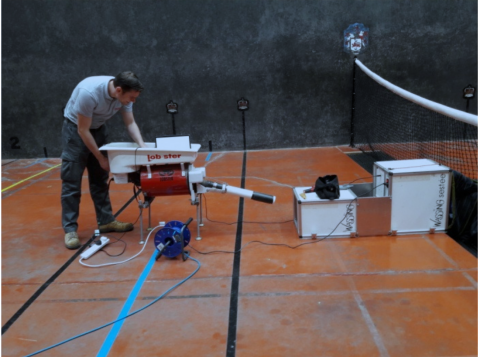
Sports floor specialists Labosport attempted much the same in a slightly more scientific manner. They took ball pace and foot-slip measurements from each of the slabs and from the court floor for comparison.
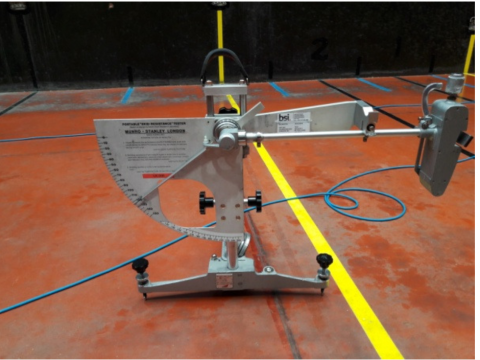
Fortunately for Labosport and for Tom, they both agreed that the same slab best matched the floor, and the numbers indicate that we have found a very close match to the original floor.
Having completed the work, we were pleased to share our findings with the T&RA, who then generously made a contribution towards funding the research work.
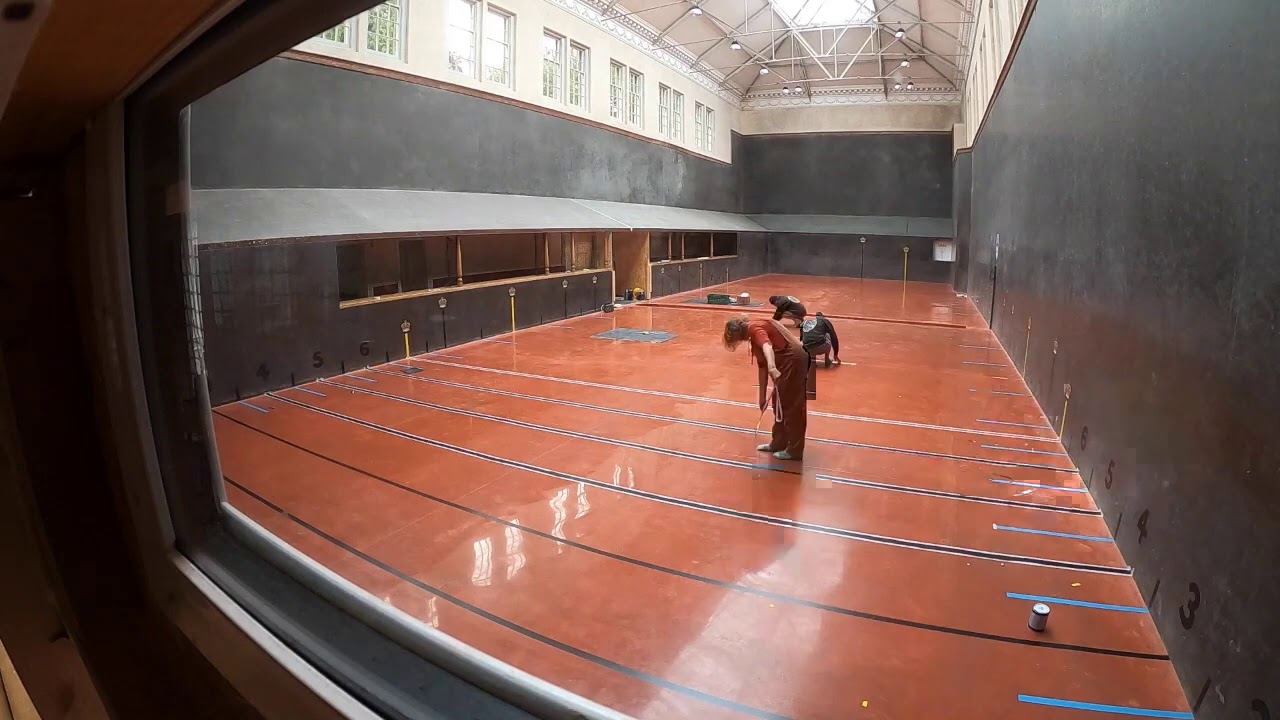
Over the summer of 2020 we undertook a restoration project which we believe to be the first of its kind to restore a Joseph Bickley Real Tennis court floor. As the work progressed we produced a number of videos to document our progress. Enjoy watching the transformation.
In the first video club chairman Sir Andrew Hamilton explains the reasons that led us to embark on this project.
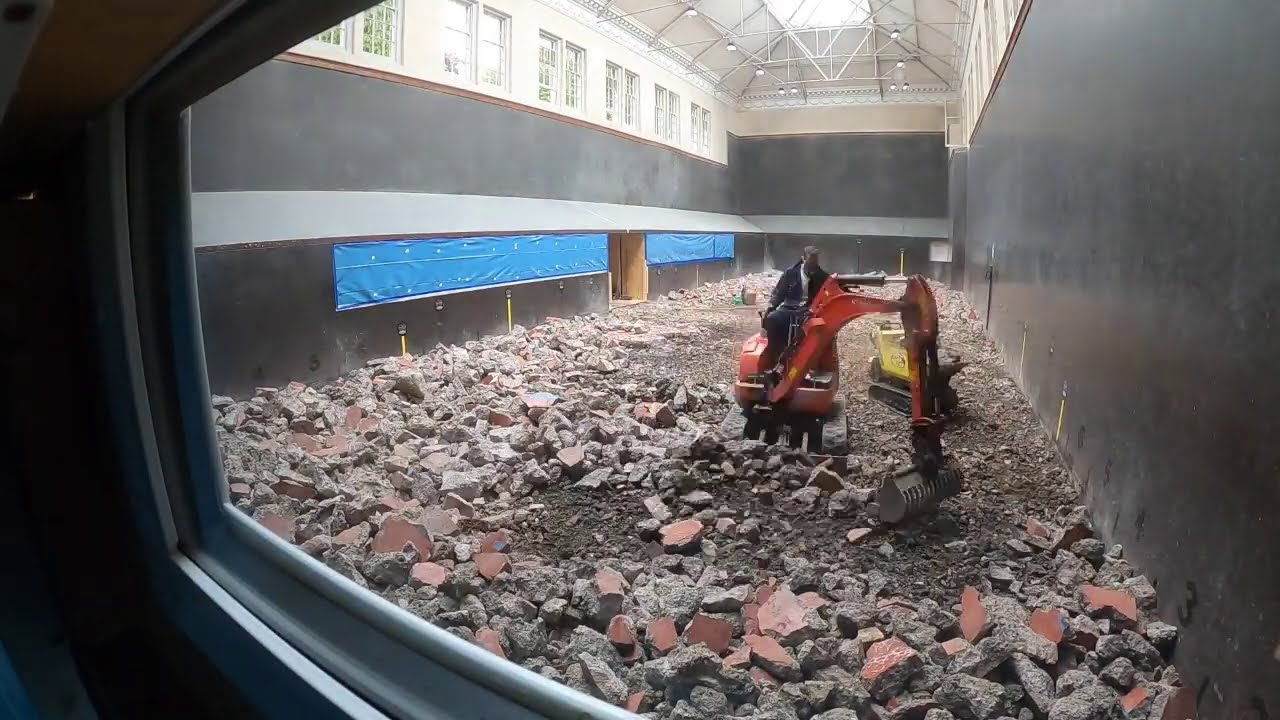
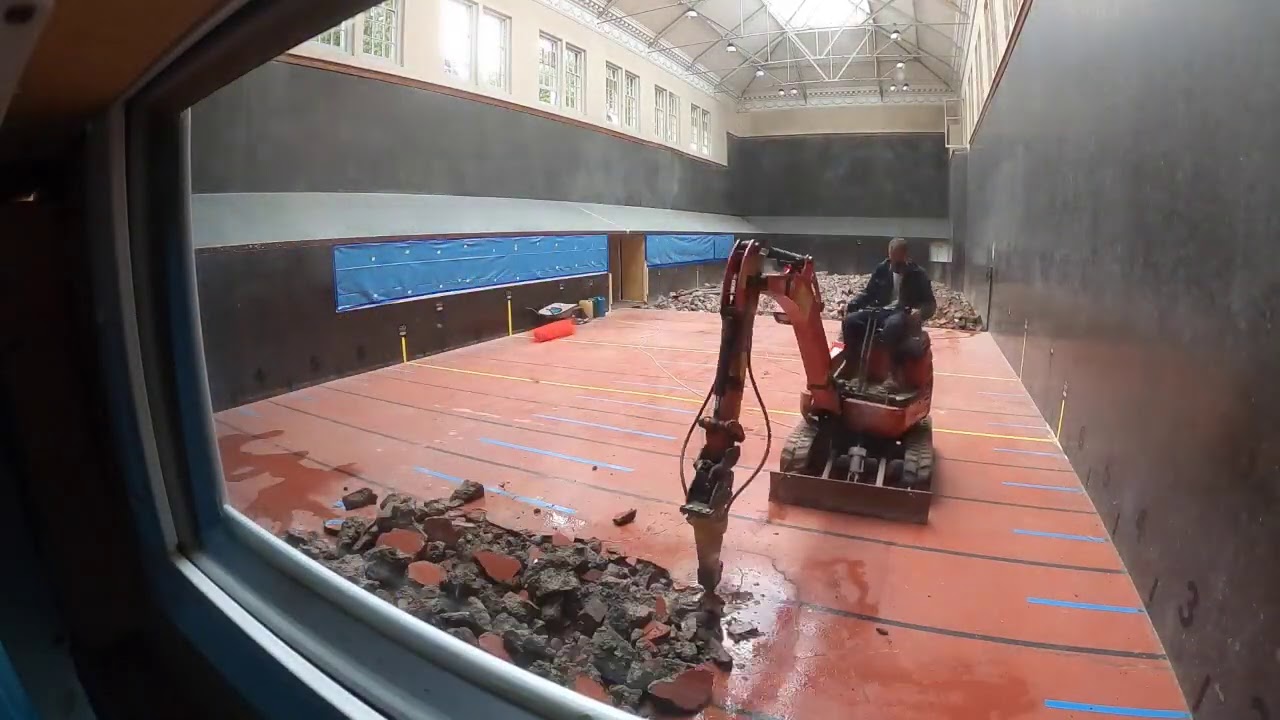
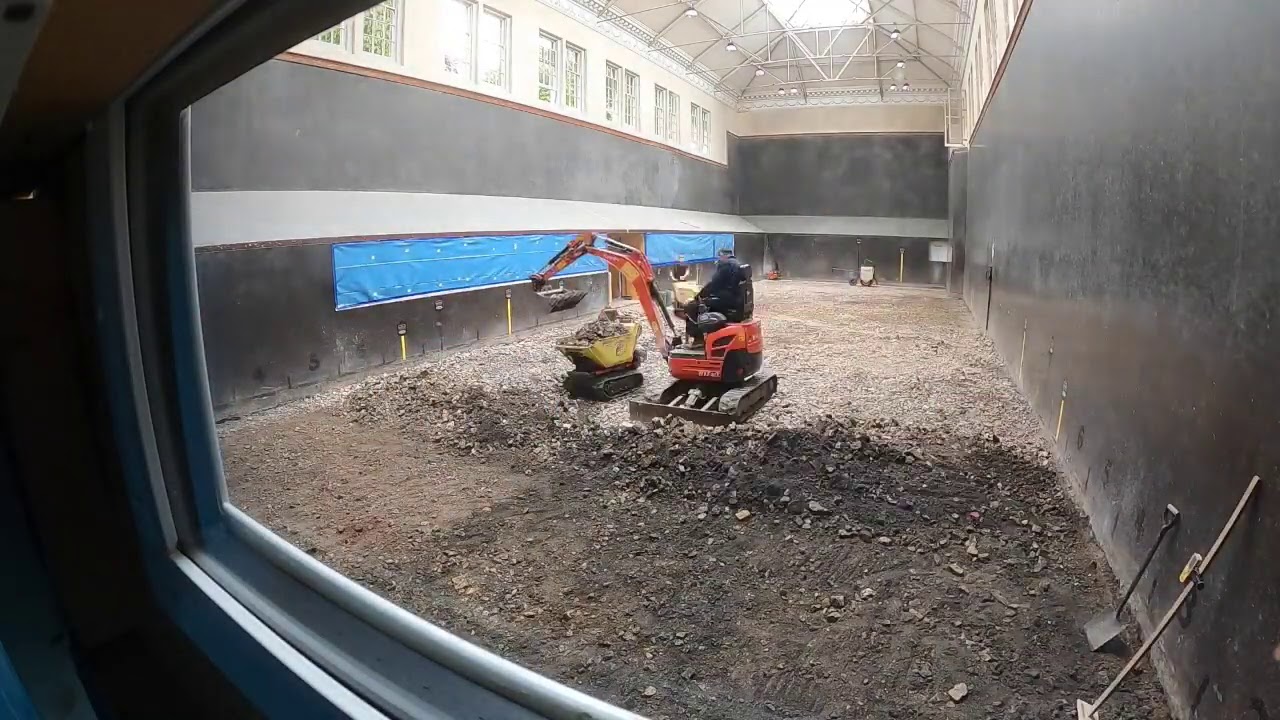
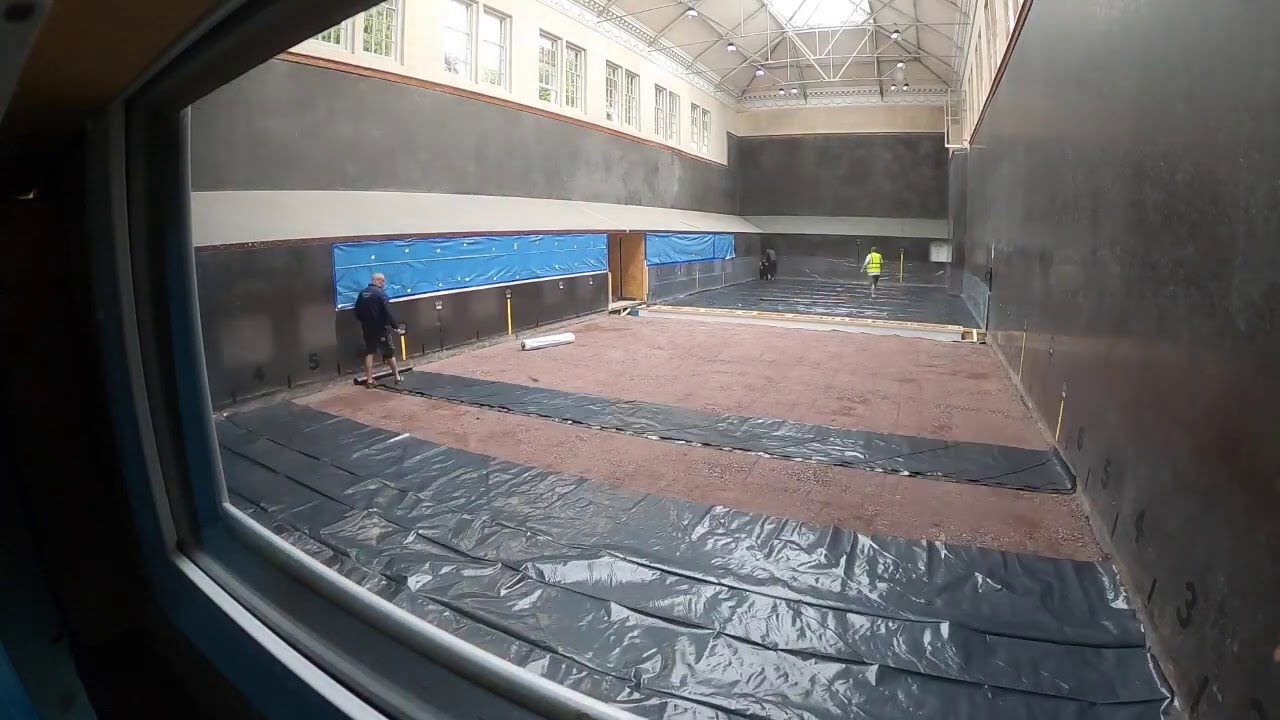
As the work begins, Project Manager Bruce Paxton talks about the task that lies ahead.
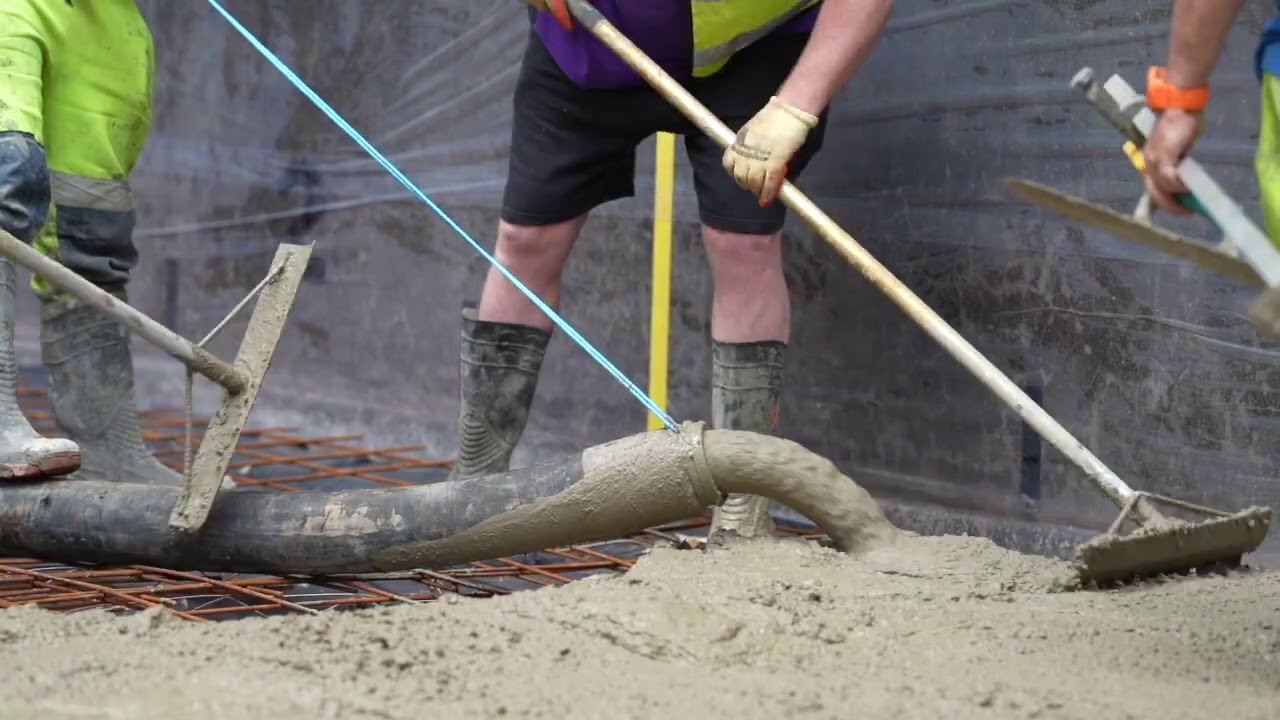
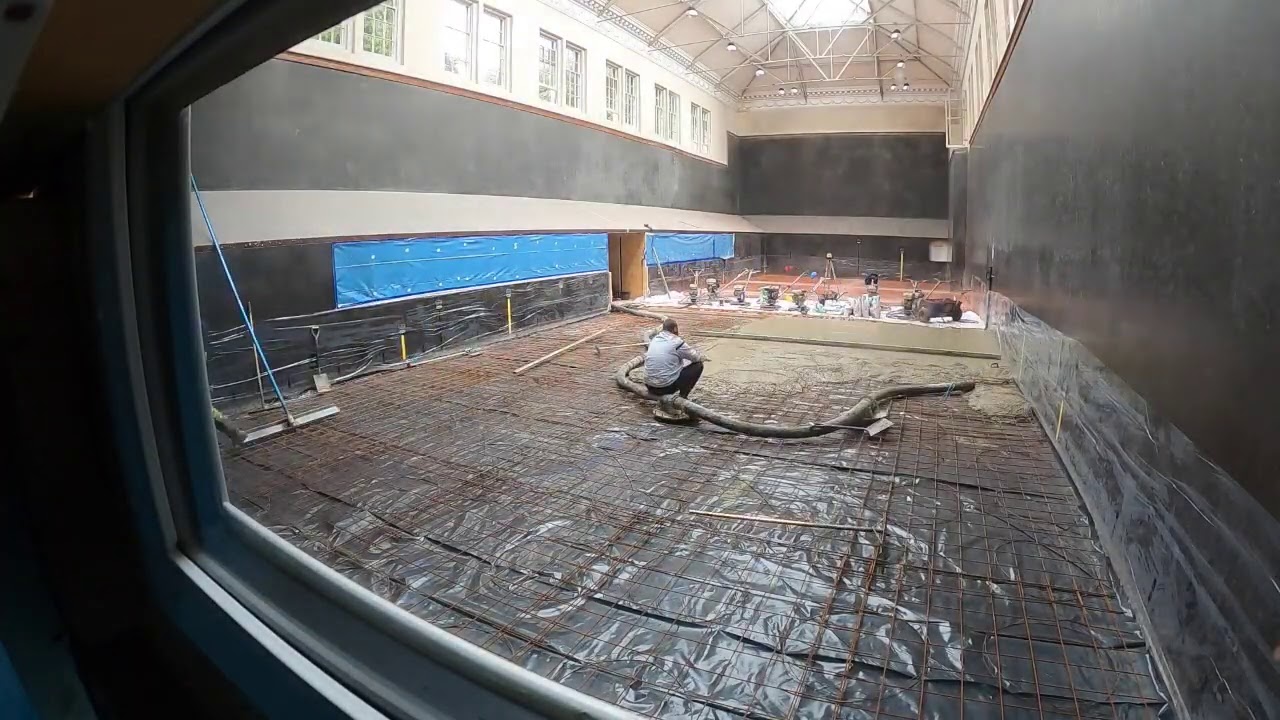
With the preparations complete it was time to lay a new concrete floor to an old recipe.
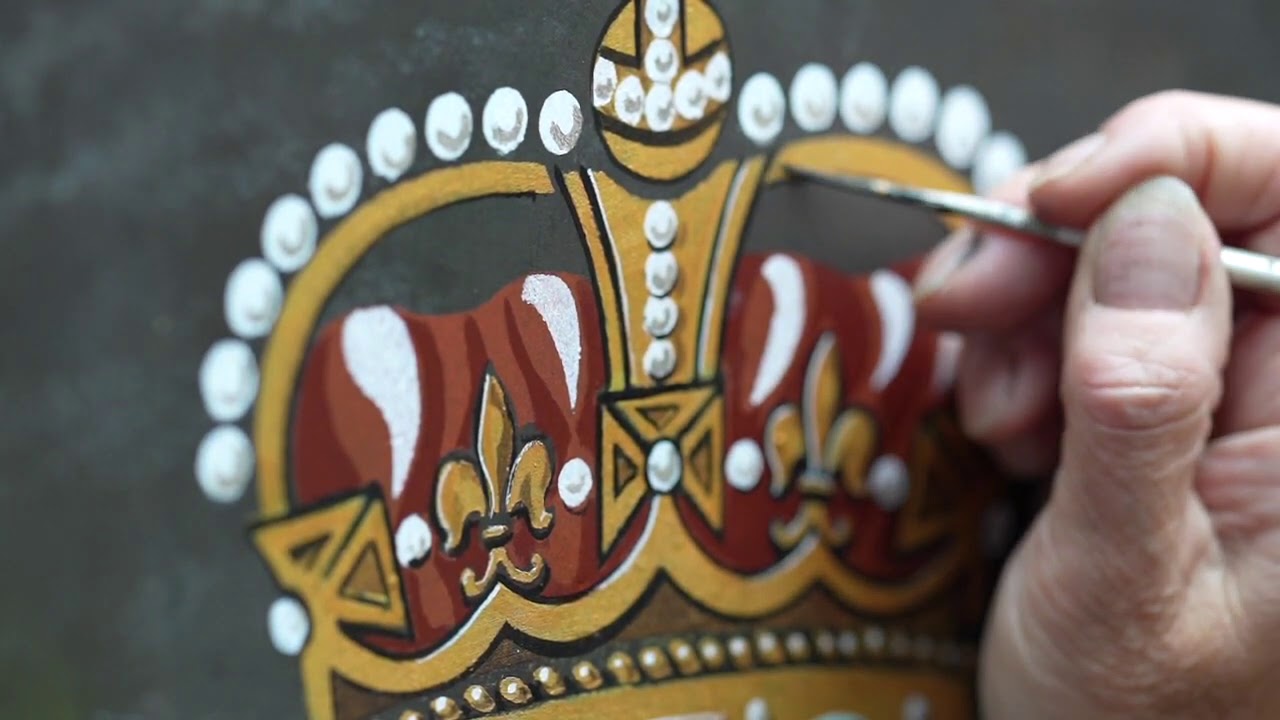
The concrete would take three more weeks to fully cure, but that didn't bring a stop to work on the court. Local artist and court neighbour Jenny Edge made good use of the time to restore the crowns on the court walls.
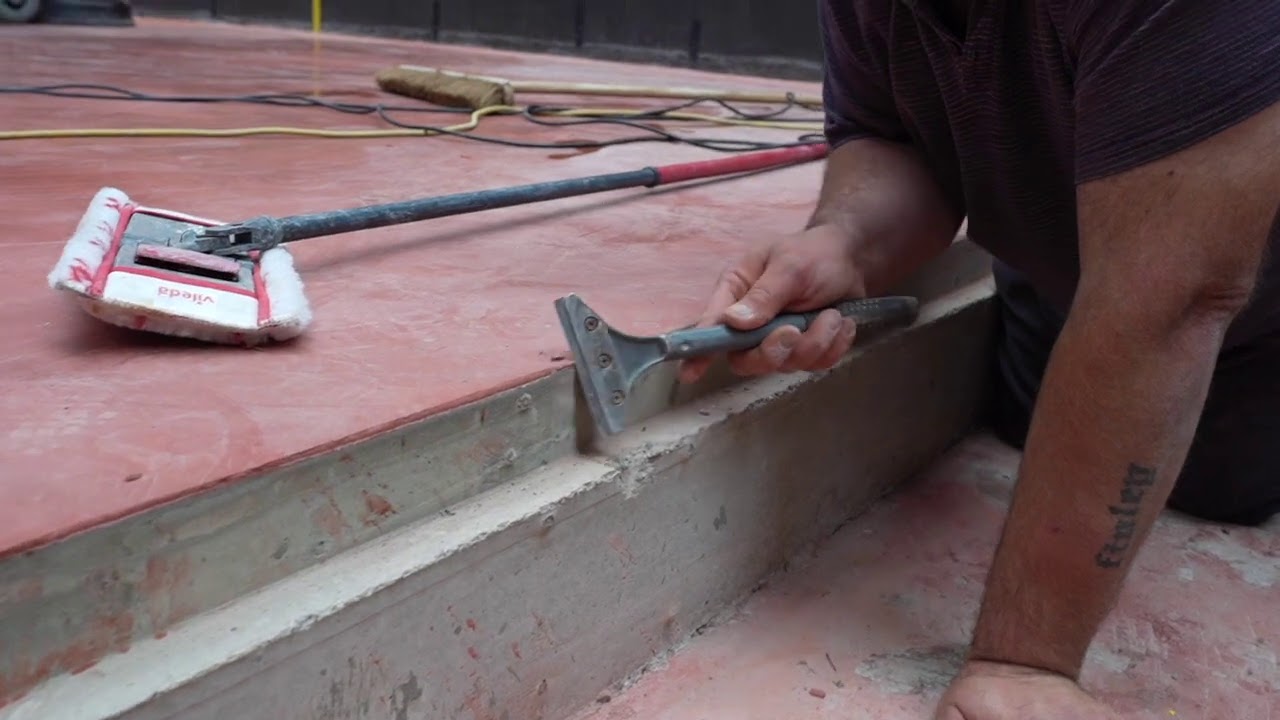
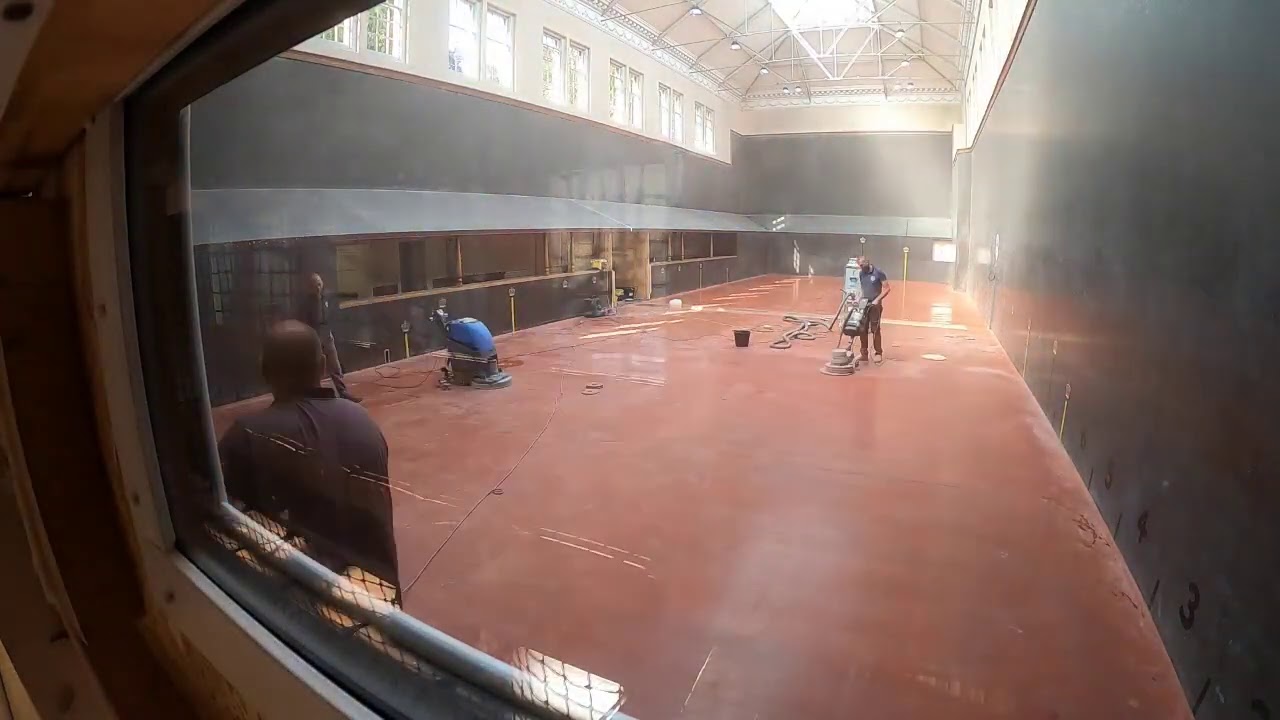
With the curing process complete and the court sufficiently dried out, our concrete contractors could return to polish the floor to achieve the ideal playing surface.
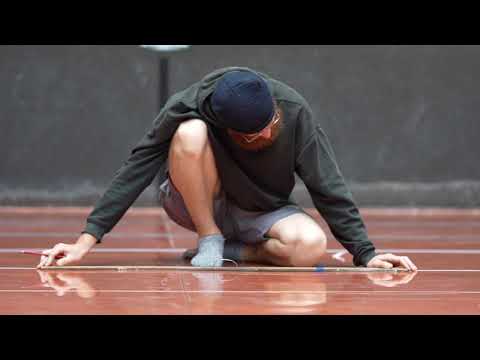
With the concrete polished it was time for Jenny to return to paint the all-important chase lines to complete the restoration.
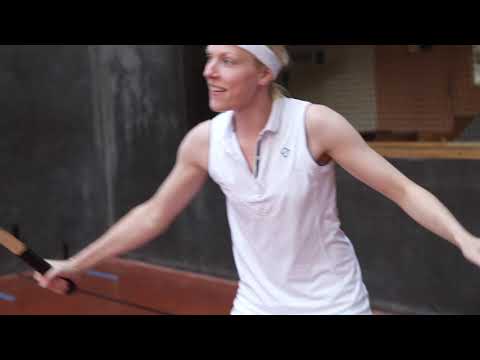
With the restoration complete and the court re-opened for play, we invited 13 times and reigning men's World Champion Rob Fahey and his wife, 5 times and reigning Ladies World Champion Claire Fahey, to bring their family along and give us their views on the restored court floor.
Videos play from YouTube.
If you thought that Claire and Rob were swift on court, take a look at some of our workers (speeded up). The first video shows the whole process from start to finish, followed by footage of the individual stages.
Videos play from YouTube.